Effective Natural Methods for Achieving Psoriasis Remission Safely
Living with psoriasis can feel like negotiating with your own skin. One month you are almost comfortable, the next month flares return with a vengeance, sometimes after a “normal” week of eating, sleeping, and working. Natural approaches can help many people move toward psoriasis remission, but the safest path is not wishful thinking. It is consistent, skin-aware habits plus a careful mindset about what you introduce, how you monitor your response, and when you get medical support.
What follows are practical natural psoriasis remission techniques that I have seen work best when people treat them like a plan, not a quick fix.
Build the remission foundation: reduce irritation before you add remedies
If you take only one idea from natural psoriasis relief, let it be this: remission often starts by lowering the constant irritation signals your skin is already sending.
Psoriasis-prone skin tends to react strongly to friction, dryness, temperature swings, and inflammation. Even when you are using herbal psoriasis treatment options, you may blunt your progress if the skin barrier is repeatedly challenged.
Here are the most useful “first moves” I recommend because they are simple and low risk:
- Treat dryness like a trigger. Use a thick, fragrance-free moisturizer right after bathing, while skin is still slightly damp. For many people, this alone reduces itch and plaque scale.
- Be gentle with mechanical exfoliation. Scrubs, brushes, and aggressive loofahs can worsen lesions through micro-injury.
- Choose clothing that breathes. Soft cotton next to skin helps. If you sweat easily, change out of damp clothing quickly.
- Watch “hot” routines. Very hot showers and saunas can intensify redness and itch for some people. If heat helps you relax, consider shorter, warm rather than hot sessions.
- Mind sun exposure carefully. Some sunlight can be helpful, but burning is not. If you try outdoor sun, start small and avoid peak hours.
A quick note on safety: psoriasis can affect the scalp, nails, and joints, and severe disease may require prescription care. Natural steps can support remission, but they should not delay evaluation when symptoms are extensive, rapidly worsening, or linked to joint pain.
A practical way to track patterns
Natural methods work best when you can see what your body does in response. Keep a simple weekly log for at least 6 weeks. Note flare intensity (for example, 0 to 10), itch level, sleep quality, stress level, and any new products you used. You are looking for repeating connections, not perfection.
Calm inflammation naturally with skin barrier and targeted ingredients
Once the groundwork is in place, the next step is to choose safe psoriasis natural remedies that soothe without overstimulating. The goal is not to “erase” plaques overnight. It is to reduce inflammatory drive and help the skin normalize.
Many people respond well to gentle, consistent topical care. The most promising psoriasis calming natural ingredients tend to share one trait: they support the skin barrier and reduce discomfort rather than causing a strong reaction.
Ingredients to consider (and how to use them)
In my experience, people get the best outcomes when they test one new ingredient at a time. Here is a practical approach:
- Ointment-style moisturizers with glycerin, ceramides, or petroleum-based humectants often feel boring, but they can be highly effective. Apply at least once daily, more if patches feel tight or rough.
- Aloe vera gels can feel soothing for many users, especially when itch is the main complaint. Prefer fragrance-free formulas and stop if you notice stinging.
- Colloidal oatmeal products can help with scratchy, inflamed skin. Use as a bath additive or a topical wash, then moisturize after.
- Oils like mineral oil or certain bland plant oils can improve comfort by reducing dryness. If you notice increased redness, switch to a simpler base.
I avoid recommending “strong” DIY mixes that can irritate, especially for active plaques. Natural does not automatically mean gentle.
Patch testing is not optional
Before applying any new herbal psoriasis treatment all over your body, do a small patch test. Choose a low-exposure area, apply for a few days, and watch for increased redness, swelling, or worsening itch. If you have a history of sensitive skin, take it more slowly than you think you need.
Scalp and nail reality check
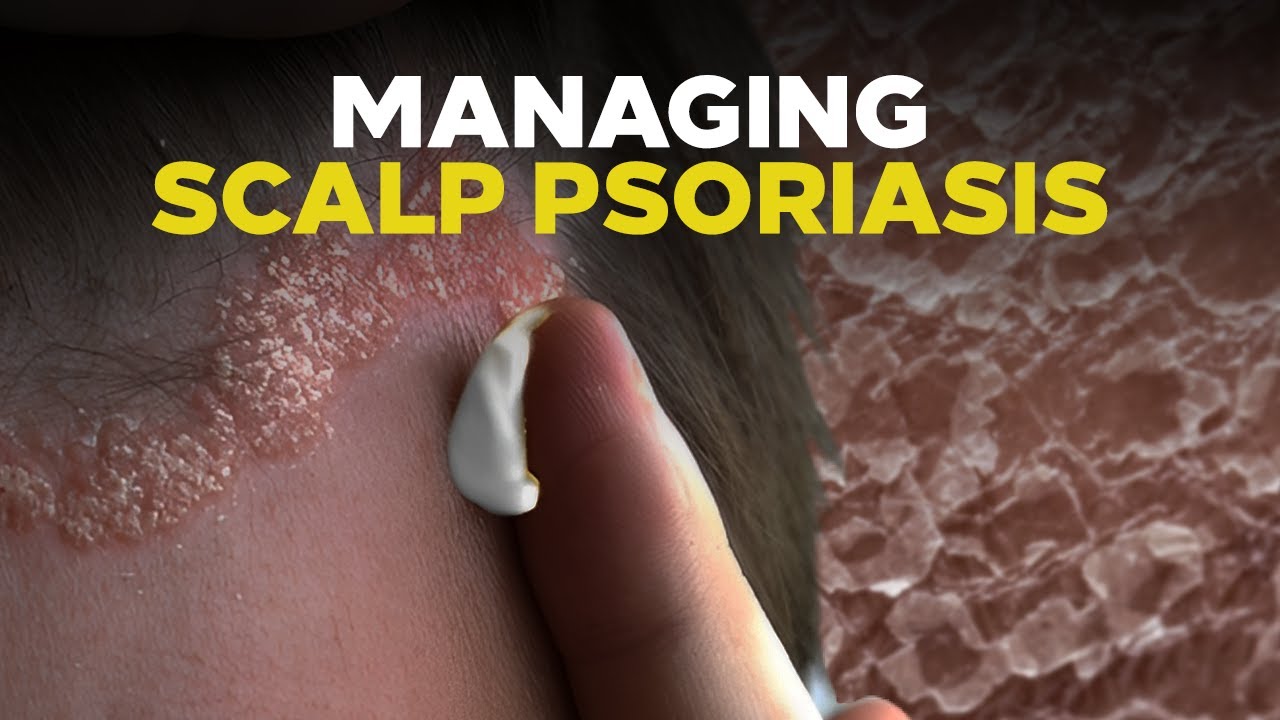
Scalp psoriasis often responds less dramatically to basic moisturizing than body plaques. If scalp lesions are thick or scaly, you may need a dedicated routine using gentle medicated options, plus careful loosening during bathing. For nails, natural routines can help dryness and skin around the nail, but nail psoriasis may not fully remit without medical Psoriasis Revolution reviews 2026 treatment.
Use lifestyle patterns that support remission, not just symptom control
Natural psoriasis remission techniques are often less about one miracle remedy and more about stacking small supportive choices that lower inflammatory load. Sleep and stress matter, but they do not need to be handled with guilt. They need to be handled with consistency.
Stress, movement, and sleep
Stress can worsen psoriasis flare patterns for many people, but the mechanism is not your fault and it is not your identity. Think of stress as a biological signal that your body amplifies.
- Aim for steady sleep timing. Even a 30 to 60 minute shift can help your body regulate inflammatory responses.
- Include gentle daily movement. Walking, stretching, or light yoga can reduce stiffness and support immune balance. Avoid overdoing intense workouts during active flares if your skin is already very inflamed.
- Use stress downshifts that you can repeat. If meditation works, great. If guided breathing works, great. If a short evening routine like warm shower and a quiet screen-time winddown works, do that. The best method is the one you can do reliably.
I have seen people improve their remission odds simply by reducing “flare chaos,” like staying up late after a bad day and then making several new product changes at once. Your skin does not benefit from frantic adjustments.
Diet: focus on trigger awareness, not perfection
Food is a sensitive topic with psoriasis because people want certainty. The honest truth is that dietary responses are individual. What helps one person may not help another.
If you want a natural approach, I suggest a measured, observational strategy: - For 4 weeks, keep your diet mostly consistent. - If you suspect a trigger, reduce it one at a time. - Track flare intensity and itch daily.
Common dietary patterns people explore include reducing alcohol, limiting ultra-processed foods, and paying attention to how high-sugar weeks correlate with flare ups. Some people also experiment with anti-inflammatory style meals, but I do not promise outcomes. If you notice clear improvement, keep it. If you do not, do not keep forcing restrictions.
Vitamin D and sun: helpful, but treat cautiously
Some individuals benefit from vitamin D optimization and safe sunlight exposure. However, too much sun can worsen psoriasis through burns and can raise long-term skin risk. If you are considering supplements, it is wise to discuss dosing with a clinician, especially if you have other health conditions.
Know the safety boundaries: when natural methods need medical backup
A safe plan is one you can maintain during good weeks and bad weeks. Remission is the goal, but safety is the non-negotiable.
Here are the situations where you should seek medical advice rather than relying on safe psoriasis natural remedies alone:
- Rapidly spreading plaques, severe pain, or signs of infection such as oozing, worsening warmth, or fever.
- Involvement of the eyes or eyelids, especially redness and irritation that does not settle.
- Significant scalp or nail changes that affect daily life and sleep.
- Joint symptoms such as morning stiffness, swelling, or pain in fingers, wrists, or toes.
Also, be careful with natural products marketed as “detox” or “purge.” Your skin is already doing enough work. In practice, many people do better with steady moisturization, gentle ingredients, and lifestyle habits that reduce irritation over time.
A sensible integration approach
Some people do best when natural care supports prescribed treatments rather than competing with them. For example, moisturizing and barrier care can make topical medical therapies more tolerable. If you are using light-based treatments or prescriptions, continue gentle skin routines so you can stay consistent.
Consistency is often what separates remission attempts that fade after a few weeks from remission patterns that last. Natural psoriasis remission techniques are most effective when you treat them as a long-term partnership with your skin, not a temporary experiment.
If you approach your routine with patience, careful ingredient choices, and good monitoring, you give your body the best chance to calm down and stay calm.